
Course Overview
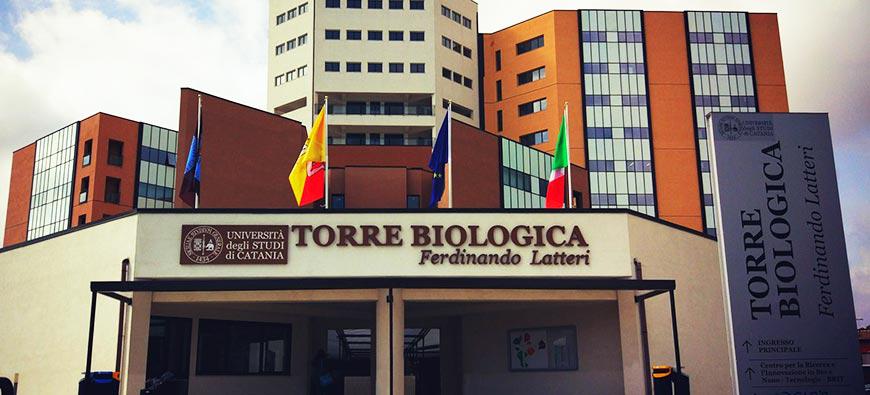
The Bachelor’s Degree Programme in Biotechnology (L-2) aims to train graduates who are able to work at different levels within the research and production processes typical of the biotechnology sector.
In line with the objectives of the degree class, the study programme is structured around several areas, including industrial biotechnology, medical and therapeutic biotechnology, agricultural biotechnology, and pharmaceutical biotechnology.
Within these areas, students acquire knowledge of agricultural systems, their characteristics and production requirements, and their interaction with other environmental components, particularly soil. They develop specific expertise in herbaceous, vegetable and tree crops, as well as in the application of modern biotechnologies to the breeding and propagation of these species.
The programme also addresses crop protection issues related to pathogens and pests that may occur during cultivation, with particular attention to biotechnological approaches that contribute to sustainable plant protection. Students acquire knowledge of food technologies and microbiology applied to the preservation and processing of agricultural products.
In the biomedical field, students develop knowledge of the morphological and functional aspects of the human body and acquire skills in the application of basic techniques for the study of antibiotics, antibodies, and recombinant and non-recombinant vaccines. They also gain knowledge of basic biochemical and molecular diagnostic methods, genome- and proteome-wide analysis, medical genetics, pathology, the handling of biological samples, and the main laboratory tests used to obtain information on metabolic conditions, biochemical and genetic characteristics, and pathological conditions relevant to the prevention, diagnosis, monitoring and treatment of disease.
Students also develop an understanding of host–parasite interactions in pathogenesis and diagnosis, cellular and molecular mechanisms, pharmacological and pharmaceutical aspects of drug design and the delivery of biotechnological medicines, as well as skills in bioinformatics, high-throughput technologies and fermentation biotechnology.
The Degree Programme is organised into three curricula: Biomedical Biotechnology, Agricultural Biotechnology and Biopharmaceutical Biotechnology.
Teaching activities are organised around a common first year, during which students undertake basic training in mathematics, computer science, physics, chemistry, biology, genetics, agricultural genetics and bioinformatics. In the first year, each curriculum also includes a curriculum-specific course in the area of regulation and economics.
During the second year, several courses remain common to all three curricula, particularly core biotechnology subjects such as biochemistry, molecular biology and physiology. At the same time, the three curricula begin to differentiate through courses belonging to their respective specialised subject areas, including agricultural, biological and industrial, chemical and pharmaceutical, medical and therapeutic biotechnology.
During the third year, both common and specialised training are completed according to the chosen curriculum, through courses in the relevant agricultural, biological and industrial, chemical and pharmaceutical, medical and therapeutic areas. Students must also complete elective activities, undertake an internship for training and career guidance, and sit the final examination, which consists of the discussion, in Italian or English, of a dissertation based on experimental work.
The study programme has been designed to provide students with knowledge and skills that can be readily applied in the labour market. In particular, the curricula are intended to enable students to achieve the learning outcomes of the degree class, including the ability to apply innovative biotechnological methods in the main application sectors of the biotechnology industry.
Particular importance is also placed on the ability to continuously update one’s knowledge and skills, which is essential in a field characterised by rapid scientific development. Graduates in Biotechnology can undertake technical, scientific, operational and managerial roles in areas including basic research, medical diagnostics, agriculture and the environment, the pharmaceutical sector, bio-industrial production and the related processing and transformation sectors.
The qualification also provides access to further study through Master’s degree programmes, both those offered by the University of Catania and those available at other universities.